
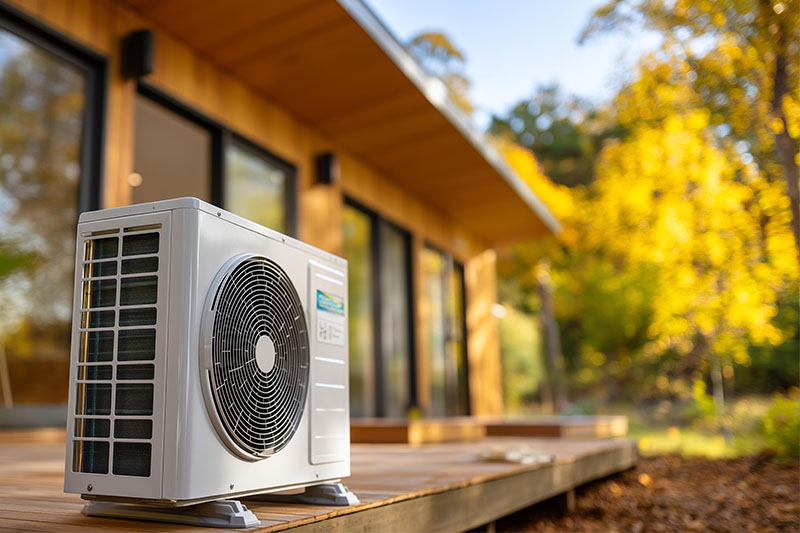
Preparing your heating system in the fall helps you get ready for winter. It’s essential to make sure your equipment is prepared before colder weather arrives and heating demand increases. This is especially important if your home has a heat pump or dual-fuel heating system, which has unique maintenance needs because it produces both heat and cooling for your home.
Scheduling Fall heat pump maintenance in your Laurel home before cold weather arrives can increase comfort, efficiency and system reliability. It also gives your HVAC technician time to catch developing problems before they turn into costly repairs.
Why Fall Heat Pump Maintenance Is Important
Heat pumps need regular maintenance because they operate year-round. Unlike traditional furnaces, they are used for both heating and cooling, so they run all year. This can result in more wear and tear than other systems.
A heat pump tune-up helps ensure the system is properly cleaned, working right and ready for colder weather. Fall HVAC maintenance visits also help promote efficient operation, more consistent heating and longer equipment life. Identifying and fixing worn or failing components during these visits also helps reduce the risk of unexpected breakdowns.
How to Get a Dual-Fuel System Ready for Winter
A dual-fuel heating system, also referred to as a hybrid heating system, combines a heat pump with a gas furnace. The heat pump runs during less severe weather. When outdoor temperatures drop below a set point, the system automatically changes over to furnace heating.
The use of two heating sources is key to why dual-fuel HVAC maintenance isy important. Proper calibration helps the system choose the appropriate heating source and switch between them.
Several heat pump and dual-fuel heating system settings should be checked before winter:
- Thermostat programming: Helps the system respond appropriately as conditions change.
- Automatic heat source switching: Confirms the system switches between heating sources properly.
- Balance point settings: Checks the temperature setting that determines when the furnace takes over from the heat pump.
- Furnace fitness: Confirms your furnace is a dependable backup heating source.
- System communication: Ensures the thermostat, heat pump and furnace work together as intended.
What Happens During a Professional Heat Pump Tune-Up?
During H&C Heating and Cooling’s professional heat pump inspection and tune-up, our technicians examine and test your system. We check that key components are in good working order, lubricate moving parts when needed and look for signs of wear and tear. We also look for developing problems, so you can have them fixed before they become costly repairs.
What does heat pump maintenance include? Here’s what we check, and why:
- Refrigerant levels: Proper refrigerant charge supports efficient heating and cooling.
- Electrical connections: Secure connections are needed for safe, reliable operation.
- Capacitors and contactors: These components help the system start and run properly.
- Defrost controls: These controls prevent excessive ice buildup during cold weather.
- Compressor operation: The compressor is essential to heat pump performance and efficiency.
- Outdoor fan motor: Proper operation supports airflow and heat transfer.
- Indoor blower: The blower is needed to move heated or cooled air effectively throughout your home.
- Condensate drainage: The condensate drain needs to be clear so it can prevent moisture-related problems.
- Airflow: Proper airflow supports comfort and heat pump efficiency.
- Thermostat calibration: Accurate thermostat settings help the system respond appropriately.
- Safety controls: Testing helps verify safe operation.
- Heat strips: If equipped, backup electric heat is checked for proper operation.
- Furnace components: Dual-fuel systems also require a furnace inspection to ensure the backup heat source is able to kick on when temperatures drop.
A Complete Fall Heat Pump Maintenance Checklist
Scheduled HVAC maintenance is best performed by a trained heating specialist. Still, you can perform simple tasks between service visits to keep your system in top shape.
- Change old air filters
- Clean away debris and clear space around the outdoor unit
- Ensure supply and return vents are free of obstructions
- Review the thermostat settings are properly set
- Listen for unusual noises
- Watch heating performance, contacting a professional if you notice something amiss
What Happens During Professional Heat Pump Maintenance Appointments?
During H&C Heating and Cooling’s professional heat pump inspections and tune-ups, our technicians thoroughly look over and test your whole system. We verify that key components are operating properly, lubricate components as necessary and check for component wear.
So, what exactly does heat pump maintenance include? Here is what our technicians inspect and the reason for each check:
- Refrigerant levels: Proper refrigerant charge supports efficient heating and cooling
- Electrical connections: Secure electrical connections are essential for safe and dependable performance.
- Electrical capacitors and contactors: These components help the system start and run properly.
- Defrost system controls: These controls prevent excessive ice buildup on your equipment.
- Compressor: Your system’s compressor is essential to heat pump performance and efficiency.
- Outdoor fan motor: Your system’s outdoor fan is required for airflow and heat transfer.
Indoor fan: The blower circulates heated or cooled air throughout your home. - Condensate drainage: The condensate drain needs to be unclogged so moisture properly drains from your system.
- System airflow: Proper airflow supports comfort and heat pump efficiency.
- Thermostat calibration: Accurate thermostat settings allow the system to respond correctly.
- System safety controls: Testing confirms proper safety operation.
- Supplemental heat strips: If equipped, backup electric heat is tested to ensure correct operation.
- Furnace components: Dual-fuel systems also require a furnace inspection to ensure the backup heat source is able to kick on when temperatures drop.
Signs Your Heat Pump Needs Service Before Winter
There are several indicators your heat pump may need service. If you see these signs, it’s essential to get them addressed promptly—before the weather gets wintry:
- Poor heating performance: May indicate an equipment issue or airflow restriction.
- Frequent cycling: Frequent starts and stops can increase wear.
- Increased energy bills: A spike in energy use often points to lower system efficiency.
- Ice buildup: Ice on your HVAC can point to a defrost, airflow or refrigerant malfunction.
- New noises or a burning odor: New sounds or odors can be signs of serious problems.
- Uneven temperatures: Cold rooms are often pointing to airflow or equipment issues.
- Repeated backup heat use: Heavy furnace use use may point to a system concern.
- Changeover failure: Difficulty switching between heating sources is a red flag and is a good reason to call for a tune-up.
Book Fall Heat Pump Maintenance in Laurel, Maryland
Laurel, Maryland, cold winters are hard on your HVAC. Make sure your heat pump or dual-fuel heating system is ready for freezing temps with professional maintenance. Tune-ups not only help optimize comfort and performance, but they also are a great way to increase reliability and reduce the chance of system failure.
H&C Heating and Cooling’s experienced team provides outstanding service and trustworthy recommendations for heat pumps and hybrid heating systems.
We also offer HVAC maintenance plans to simplify routine preventative maintenance.
If you're thinking about doing a Google search for “heat pump maintenance near me”, just make things easier. Reach out to H&C Heating and Cooling. We’re the community’s trusted choice for reliable service. Why do so many community members call us? Learn for yourself about H&C Heating and Cooling’s HVAC services in Laurel, Maryland.
It’s time to get your dual-fuel heat pump system in order with proactive winter HVAC preparation. Schedule heat pump maintenance today.